
Understanding gambling addiction key signs and solutions
Understanding gambling addiction key signs and solutions
What is Gambling Addiction?
Gambling addiction, also known as compulsive gambling or gambling disorder, is a behavioral addiction that manifests when an individual cannot control their urge to gamble. This condition often leads to severe financial, emotional, and social consequences. Unlike casual gambling, where individuals can enjoy gaming without negative repercussions, gambling addiction compels individuals to continue despite the adverse outcomes, often harming relationships and personal well-being. To fully understand the nuances of this issue, you can read more about it in expert guides.
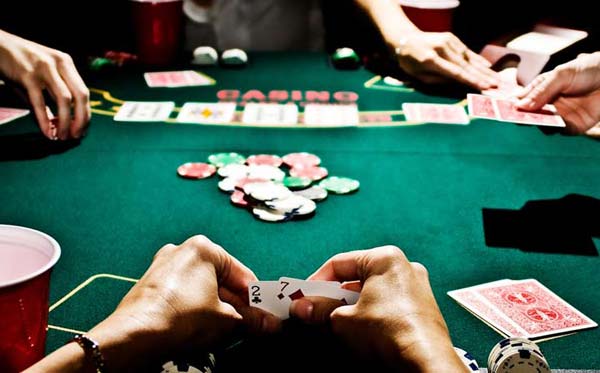
The crux of gambling addiction lies in its psychological impact. It often intertwines with other mental health issues, such as anxiety, depression, or substance abuse, complicating the recovery process. Acknowledging the problem is the first step toward seeking help, as denial is a significant barrier to recovery.
Key Signs of Gambling Addiction
Identifying the signs of gambling addiction is crucial for early intervention. One of the most common indicators is an increasing preoccupation with gambling, where individuals frequently think about past gambling experiences or plan future bets. This obsession can overshadow other important aspects of life, such as work or family obligations.
Another significant sign is the urge to gamble with increasing amounts of money to achieve the same thrill. This behavior often leads to financial distress, as individuals may resort to borrowing or stealing money to sustain their gambling habits. Recognizing these signs early can facilitate timely intervention and support.
Emotional and Social Impact
The emotional toll of gambling addiction can be profound. Many individuals experience feelings of guilt, shame, and hopelessness due to their inability to control their gambling behavior. These negative emotions can lead to isolation as individuals withdraw from social interactions, fearing judgment or embarrassment from friends and family.
Moreover, gambling addiction often results in strained relationships. Partners, family members, and friends may feel neglected, betrayed, or frustrated, leading to conflicts that exacerbate the individual’s emotional turmoil. Understanding the social repercussions can encourage individuals to seek help and support.
Effective Solutions for Recovery
Addressing gambling addiction requires a multifaceted approach. Therapy, such as cognitive behavioral therapy (CBT), has shown promise in helping individuals change their thought patterns and behaviors associated with gambling. Support groups, like Gamblers Anonymous, provide a community for sharing experiences and gaining encouragement from others facing similar struggles.
In addition to professional help, self-exclusion programs can be effective. Many jurisdictions offer services that allow individuals to voluntarily ban themselves from gambling venues and online platforms. This proactive step can create a buffer against impulsive gambling and facilitate a healthier lifestyle.

Your Path to Support and Resources
Understanding gambling addiction is essential for anyone affected by it, be it the individual or their loved ones. Our website serves as a valuable resource, offering comprehensive information on gambling addiction, including signs, impacts, and recovery solutions. We are committed to helping individuals navigate the complexities of this condition.
By providing insights and guidance, we aim to empower individuals to take control of their lives and make informed decisions regarding gambling. Our mission is to ensure that everyone has access to the support they need on their journey to recovery and well-being.